Most marketing today feels rushed.
Features, benefits, urgency, discounts—buy now before the timer runs out.
And yet, the campaigns that stick in your mind often do something different. They don’t sell right away.
They entertain.
They delight.
They disarm.
This approach isn’t new. It’s hundreds of years old.
The Street-Performers of 17th-Century Europe
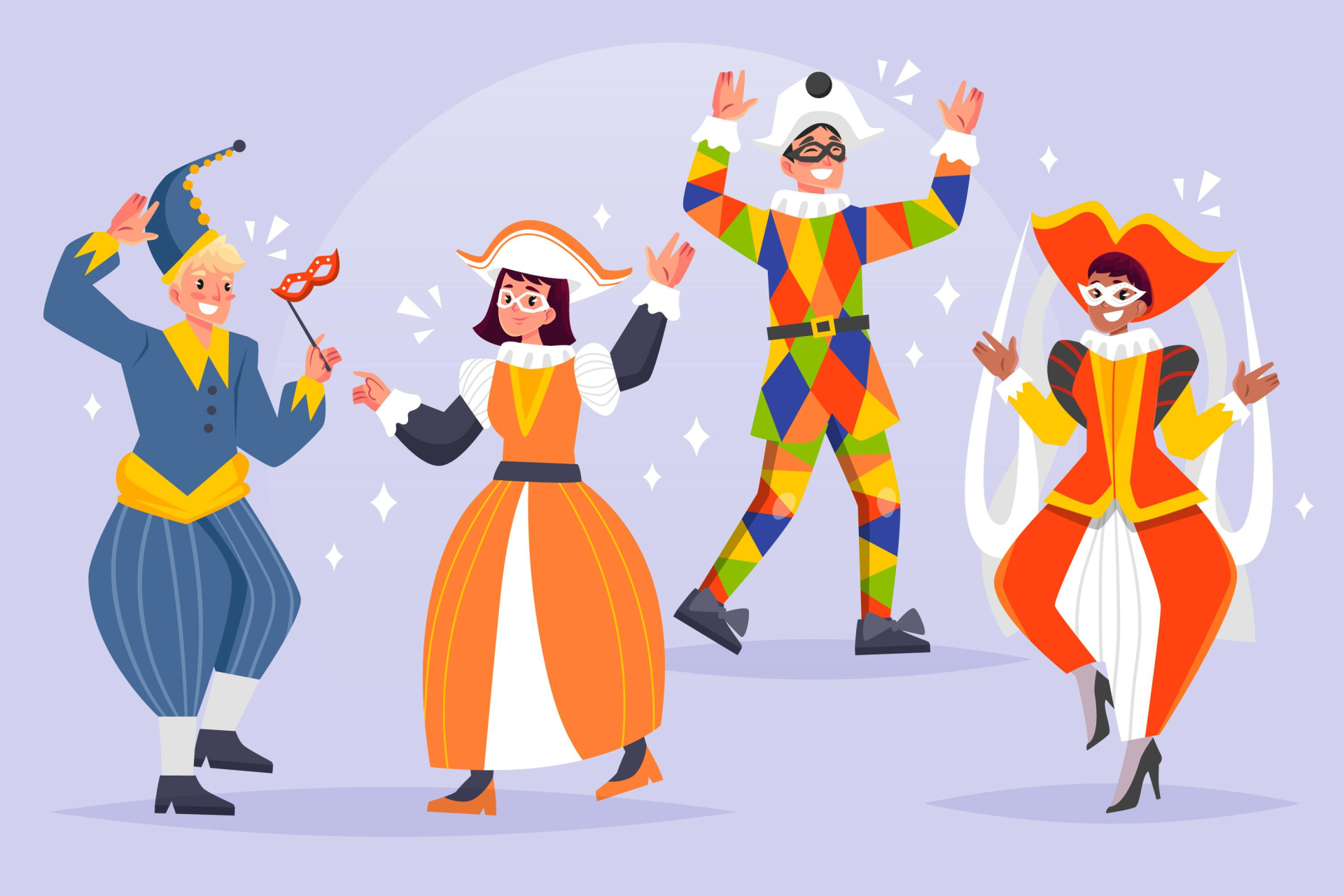
Walk through a bustling European market in the 1600s and you’d find travelling salesmen on every corner.
They weren’t just hawking “miracle elixirs” or powders of dubious origin. They were performers.
Before they ever mentioned their product, they put on a show.
Music. Comedy. Magic tricks. A moment of joy in otherwise hard and monotonous lives.
The entertainment wasn’t a distraction—it was the sales strategy.
Only once the crowd was laughing, relaxed, and entertained did the salesman raise his voice, hold up the glowing bottle, and deliver the pitch. And it worked. Instead of selling dozens of bottles, they sold hundreds.
The Psychology Behind the Soft Approach
Why did it work so well? Because the human brain is wired to forgive persuasion when it follows pleasure.
Entertainment disarms scepticism.
When we’re smiling, we’re not analyzing. Our critical filters loosen. A moment of delight opens the door for suggestion.
Pleasure creates reciprocity.
If someone has given you laughter, a story, or a surprising moment, you feel a subtle obligation to give something back—applause, attention, or a coin.
Story bypasses resistance.
Hard sells trigger defences: “You’re trying to take my money.”
Stories and spectacle trigger curiosity: “I want to see how this ends.”
This was the soft sell centuries ago. And it’s still the soft sell today—just wrapped in modern packaging.
The Soft Sell in Modern Marketing
The stage is no longer a cobblestone square—it’s your LinkedIn feed, Instagram reels, or YouTube channel. But the principle hasn’t changed: delight first, sell later. Across these examples, the pattern is clear: When brands delight, audiences lean in. When brands push, audiences tune out.

Gary Vaynerchuk – Value Before Ask
Gary floods the internet with free advice, daily videos, and motivational snippets. He rarely opens with “buy my book.” Instead, he gives value until the audience is nodding along. Then, when he does drop an ask, the response is massive.

Liquid Death – Selling Water Through Entertainment
They don’t sell hydration. They sell rebellion, humor, and outrageous ads. Their product is water—but their marketing is entertainment. And because they delight first, fans pay extra for a can of H₂O.

Mr Beast – Stunts Before Snacks
MrBeast’s empire is built on spectacle—giant giveaways, wild challenges, absurd stunts. The audience is entertained long before the chocolate bar or burger is mentioned. And when the product arrives, they buy in droves—not because they need candy, but because they feel part of the story.

Morning Brew – Wit Before Monetization
Morning Brew doesn’t just send news. They send entertaining news. Witty subject lines, clever copy, and cultural hooks. Readers open for the smile, and only then are introduced to sponsors or paid products.
Gary Vaynerchuk – Value Before Ask
Gary floods the internet with free advice, daily videos, and motivational snippets. He rarely opens with “buy my book.” Instead, he gives value until the audience is nodding along. Then, when he does drop an ask, the response is massive.
Liquid Death – Selling Water Through Entertainment
They don’t sell hydration. They sell rebellion, humor, and outrageous ads. Their product is water—but their marketing is entertainment. And because they delight first, fans pay extra for a can of H₂O.
Mr Beast – Stunts Before Snacks
MrBeast’s empire is built on spectacle—giant giveaways, wild challenges, absurd stunts. The audience is entertained long before the chocolate bar or burger is mentioned. And when the product arrives, they buy in droves—not because they need candy, but because they feel part of the story.
Morning Brew – Wit Before Monetization
Morning Brew doesn’t just send news. They send entertaining news. Witty subject lines, clever copy, and cultural hooks. Readers open for the smile, and only then are introduced to sponsors or paid products.
The Modern Catch
The 17th-century charlatans had one big advantage: their audience couldn’t Google.
Today, if you entertain someone but your product disappoints, the backlash is instant. Screenshots, reviews, and hashtags can sink you faster than any hard sell ever could.
That’s why the modern soft approach has three non-negotiables:
- Delight to attract. Earn attention with personality, story, and entertainment.
- Deliver to keep. Make sure your product solves the problem.
- Tell the truth to grow. Audiences forgive spectacle; they don’t forgive lies.
The old charlatans got away with smoke and mirrors. You can’t. But you can still use their methods—ethically.
Lessons for Personal Brands
So what does this mean if you’re building your own personal brand today?
Simple: don’t lead with your product. Lead with your personality.
- Share stories, not sales pitches.
- Post entertaining insights before pushing offers.
- Make people laugh, think, or nod—and only then introduce the “ask.”
When you follow the soft approach, your “sales pitch” doesn’t feel like selling at all. It feels like sharing.
And that’s why it works.
Final Thought
The great charlatans of 17th-century Europe knew something we’ve half-forgotten in today’s data-driven, funnel-obsessed marketing world:
Delight opens the heart. Desire closes the deal.
Pleasure is still the most underrated sales tool in the world.
Whether you’re selling miracle tonics or SaaS subscriptions, jewellery or skin-care products—start with delight.
Because people may forgive persuasion. But they’ll always remember how you made them feel.
Do check if you lean too hard on the “hard sell”, or you use the “soft approach—delighting before you persuade?”
About the Author: Jawahar Kaushal