The eyes of your visitor tell the story: they scan, stop, and look for signs of safety and ease.
So, every conversion starts long before the actual click
A new study called “Travel Boom Leisure Travel” backs up what psychology has said for years: people are changing how they make decisions.
They don’t want more options anymore; they want less work.
They don’t need more proof anymore; they need greater trust.
They don’t want to wait for prizes anymore; they want them instantly.
It’s not only about going there.
This change affects every field. People tend to do things that are easy and certain, whether they are buying skin care products, signing up for software, or booking a lodging. All the time.
This study of 500 people who travel a lot shows us something about human nature:
1. Being flexible builds trust
Ninety-four percent want flexible bookings. Almost half want free cancellation, which is like “no risk, no regret” in the digital world.
We see the same thing in both retail and SaaS: “Free returns,” “Cancel anytime,” and “Try it free for 7 days.”
Being flexible isn’t a feature. It’s a symbol of trust.
2. AI Reduces Effort
83% of people use or plan to use AI technologies like ChatGPT to organize their trips. They’re getting other people to make decisions for them.
The identical content makes Netflix’s “Because You Watched” lists and Amazon’s suggestions. People don’t want a lot of choices; they want smart filters.
3. Rewards right away are better than promises.
64% would rather get rewards right away than points over time.
“Save $25 today” beats “Earn points for next time.”
It’s not reasoning; it’s dopamine that makes our brains want rapid reward. When value is immediate, loyalty increases faster.
4. More clarity leads to more direct conversions.
18% of bookings now go directly to hotel websites instead of going through aggregators. Why?
Clarity and control. People act right away when the experience seems safe and clean.
These aren’t tips for traveling. These are patterns that all people share:
People move faster when they think it’s easy, safe, and worth while.
Why Ease Always Wins
We call this Expected Effort in behavioral marketing. It’s the brain’s quick evaluation of how hard an option seems.
The easier a choice seems, the faster it happens.
When your landing site looks complicated, your checkout has too many steps, or your material is hard to read, the brain adds “effort tax.” And effort kills conversion.
That’s because the brain uses a trick called cognitive fluency. People think something is more credible, trustworthy, and worth doing if it seems easy to understand.
Risky = Complicated & Safe = Clear
You don’t lose consumers to other businesses. You lose them because of cognitive load.
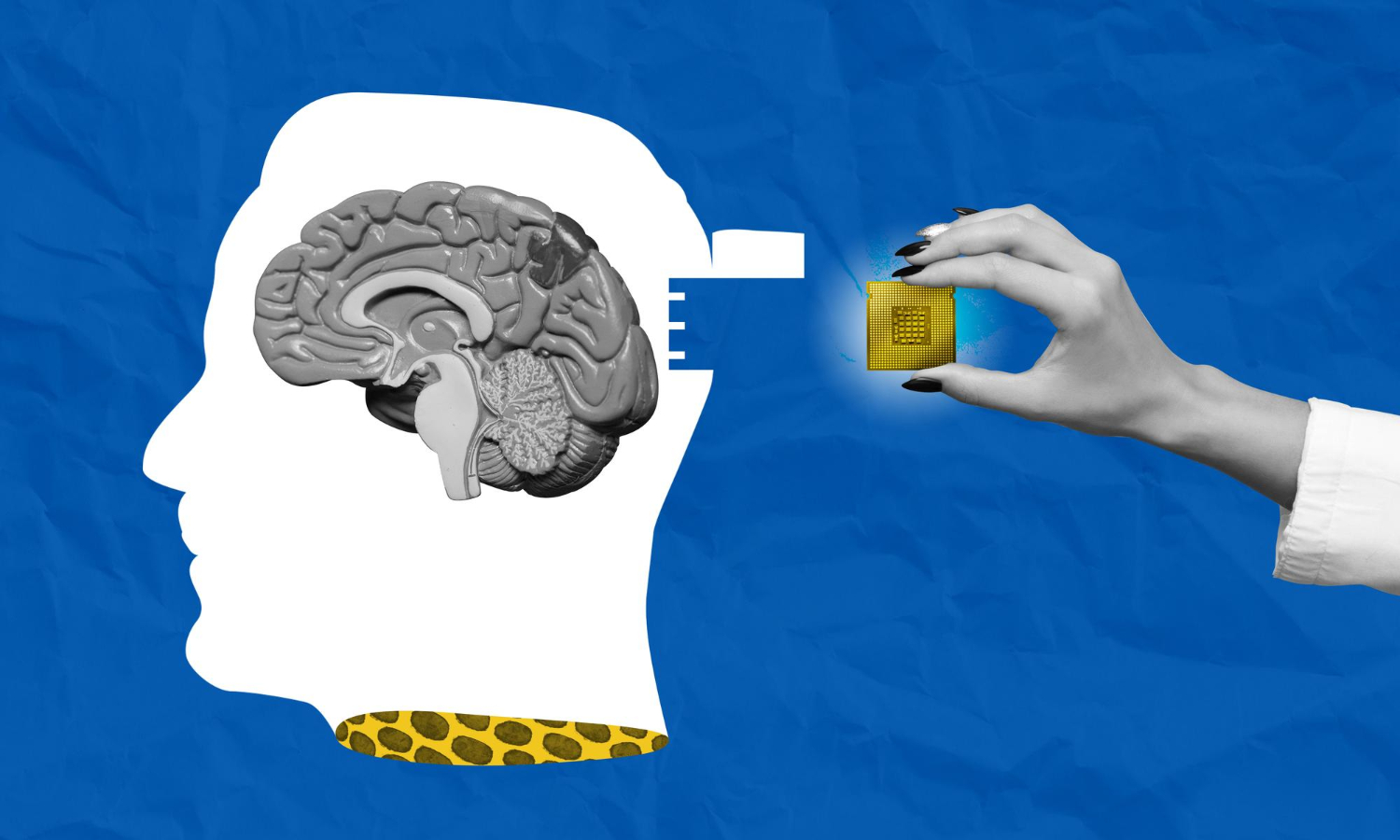
The Science Behind Easy Choices
Let’s examine the behavioral mechanisms that underlie this:
1. Theory of Cognitive Load
The brain can only hold so much information before it stops working. Every extra field, button, or line of text makes things harder to think about.
2. Fluency Heuristic
When something is easy to understand, the brain concludes it’s also more reliable and true. Daniel Kahneman called this the “illusion of truth.”
3. The trade-off between effort and reward
People unconsciously compare the work needed to the benefit they think they will get. If work feels intense and payoff feels distant, motivation falls.
4. Instant Gratification Bias
Immediate perks, such discounts, downloads, and free trials trigger dopamine, which is the brain’s reward hormone, to keep the action cycle going.
Proof in the Real World
Amazon’s “Buy Now” button
It is more than convenience – it’s behavioral design. It gets rid of all the friction, therefore the amount of effort needed goes down to zero. That’s why it sells faster than any explanation of a thing ever could.
Apple: The Fluency of Design
Apple doesn’t explain; it shows. Everything seems easy, from the straightforward design to the clear language to the easy options. You think something is better when it’s this easy to use.
Sephora: Give a reward now, not later
Instant samples and discounts on the same day are better than complicated loyalty math. Customers feel valued today, not after their tenth visit.
“Try Free” Trust for SaaS Companies
Free trials not only show that you trust the product, but they also lower your mental risk. When someone sees “No credit card required,” they trust you more.
Design that makes things easier and builds trust doesn’t simply look nice; it feels good. And that feeling of being correct is what makes people click, join up, and buy.
When there is less friction, there is more confidence. When people feel more sure of themselves, they do things.
Every time.
How to use it to get the best out of it?
No matter the type of business you have, here are three quick things you can do to make it seem easy and trustworthy:
1. The Jenga technique: Get rid of friction
Check your pages or procedures. Every field, action, or paragraph you take out makes it easier to make decisions. More action with less effort. Always ask:
- Can we get rid of one click?
- Is it possible to make the copy shorter?
- Can we combine two steps into one?
The quiet engine of conversion is simplicity.
2. Show Trust
Tell five individuals to go to your website and answer one question: “Would you act here?” If they hesitate, your trust signals aren’t strong enough. Add the following to build trust:
- Reviews and comments.
- Badges for security and rules for returns.
- Not stock shots, but real ones.
- Don’t promise trust. People should see it.
3. Give rewards quickly, not slowly.
People respond to things that happen right away. “Save now,” “Download right away,” or “Get your bonus today” works better than “Earn later.”
Why? Because the brain puts more value on certain things that happen right away than on things that might happen later.
Quick wins feel better and work better.
The Final Thought
Putting the Pieces Together: From Travel to Every Deal
Let’s put it all together.
- People plan trips faster when they don’t feel like they have to worry about anything.
- When checkout goes smoothly, shoppers buy things faster.
- When benefits are rapid and trust is clear, people sign up faster.
The pattern keeps happening because the brain doesn’t care what field you’re in. It just cares about how safe, easy, and gratifying the experience is.
The two things that change behavior in every category are ease and trust. The Universal Law of Effortless Action is what you should remember.
When trust is high, friction is low, and value is clear, conversions go up. No matter what you’re selling—travel, tech, or training—the psychology stays the same.
Because, Trust comes from ease.
About the Author: Jawahar Kaushal