
When a customer heads to the store (or their Amazon app) and your brand is the first that pops into their mind, you’ve already won the sale.
That’s top-of-mind recall — the pinnacle of the marketing ladder after awareness, interest, and consideration.
It’s why we ask for “Kleenex” instead of tissues.
Or why many people say “Coke” when they just mean cola.
Top-of-mind recall is not just recognition — it’s reflex.
The question is: how do you build it? And more importantly, how do you keep it in a noisy, distracted, hyper-digital world?
The answer lies in behavioral marketing & advertising — understanding the brain’s shortcuts, biases, and emotional drivers, then designing campaigns that stick in memory.
Why Top-of-Mind Recall Matters
Traditional marketing often obsesses over awareness: Did the customer see our ad?
But awareness isn’t enough. You can recognize hundreds of brands, but still forget them when it’s time to choose. Recall happens when your brand is the first association in the customer’s brain at the critical moment of purchase.
Behavioral science explains why this is crucial:
The Availability Heuristic — We choose what comes to mind most easily.
Cognitive Ease — The brain prefers familiar things because they feel safe and trustworthy.
Recency Effect — We remember what we’ve seen most recently, especially if it had an emotional impact.
Top-of-mind recall turns your brand into the brain’s default setting.
The Behavioral Building Blocks of Recall
To move from awareness to recall, campaigns must tap into how memory actually works. Behavioral marketing offers three big levers:
- Repetition (Mere Exposure Effect)
The more often people see your brand, the more familiar and likeable it becomes. This isn’t about spam — it’s about consistent, recognizable presence. - Emotion (Peak-End Rule & Negativity Bias)
We don’t remember every ad. We remember the ones that made us laugh, cry, or feel something sharp. Emotional peaks lock brands into memory. - Simplicity (Cognitive Load & Framing)
Complicated messages don’t stick. Simple, sticky slogans and visuals do. The clearer your message, the easier it is to recall.
5 Behavioral Strategies to Strengthen Top-of-Mind Recall
1. Make Repetition Feel Fresh
Repetition builds memory, but monotony kills attention. Behavioral marketers balance consistency with novelty.
Coca-Cola has used red, white, and the same script font for over 100 years. But every campaign (Share a Coke, Christmas trucks, World Cup tie-ins) delivers that consistency in fresh, contextual ways.
Use the same core cue (logo, color, jingle, tagline) across campaigns, but adapt the story to keep attention alive.
👉 Behavioral takeaway: Pair the Mere Exposure Effect with novelty to stay familiar yet interesting.
2. Trigger Emotion, Not Just Awareness
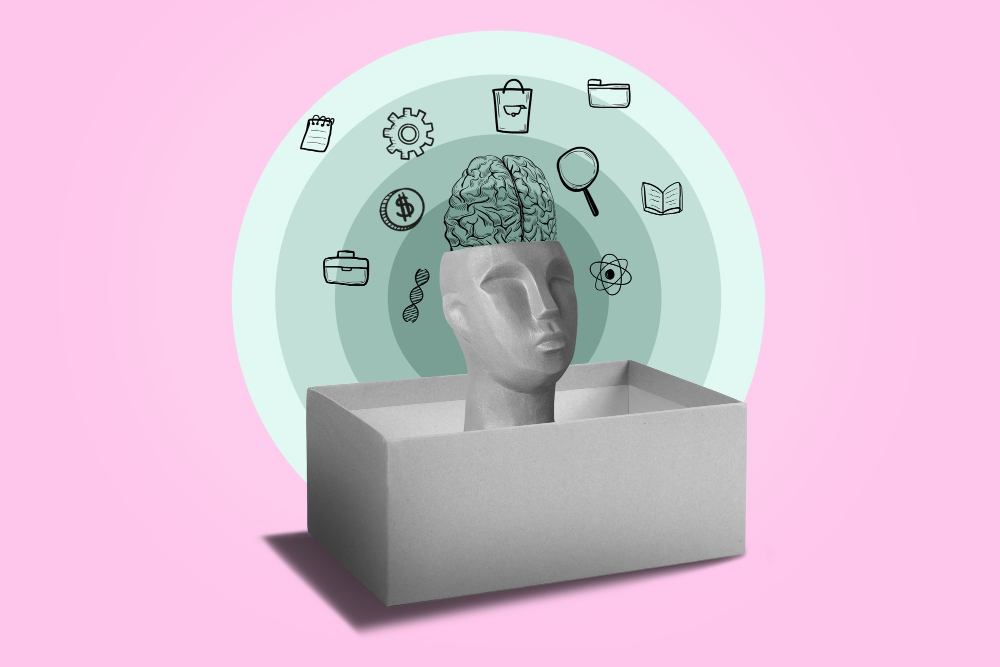
The brain tags emotional moments for long-term storage. That’s why you remember the Budweiser Clydesdales, not the hundred forgettable beer ads you’ve seen.
Peak-End Rule: People remember the emotional high point and the ending of an experience. Craft campaigns with a striking moment and a satisfying close.
Negativity Bias: Negative emotions are powerful but risky. Fear-based ads (anti-smoking, road safety) burn into memory, but brands must avoid backlash.
👉 Behavioral takeaway: Design ads that make people feel — joy, surprise, belonging — not just notice.
3. Simplify the Message Until It Sticks
Brains crave shortcuts. The more you reduce complexity, the more easily your brand is recalled.
Nike’s “Just Do It” is three words — and unforgettable.
Snickers’ “You’re Not You When You’re Hungry” frames the product in one behavioral truth.
Compare that with jargon-heavy B2B slogans you can’t recall even five seconds later.
👉 Behavioral takeaway: If your slogan can’t be remembered after one exposure, it’s too complicated.
4. Use Behavioral Anchors
Anchors tie your brand to mental cues in everyday life.
Intel’s 5-note jingle is an auditory anchor.
Mastercard’s “Priceless” campaign turned thousands of moments into one anchored memory.
Google’s colors trigger instant recognition across products.
👉 Behavioral takeaway: Own a color, a sound, or a phrase. Repeat it until it becomes reflex.
5. Leverage Social Proof and Herd Behavior
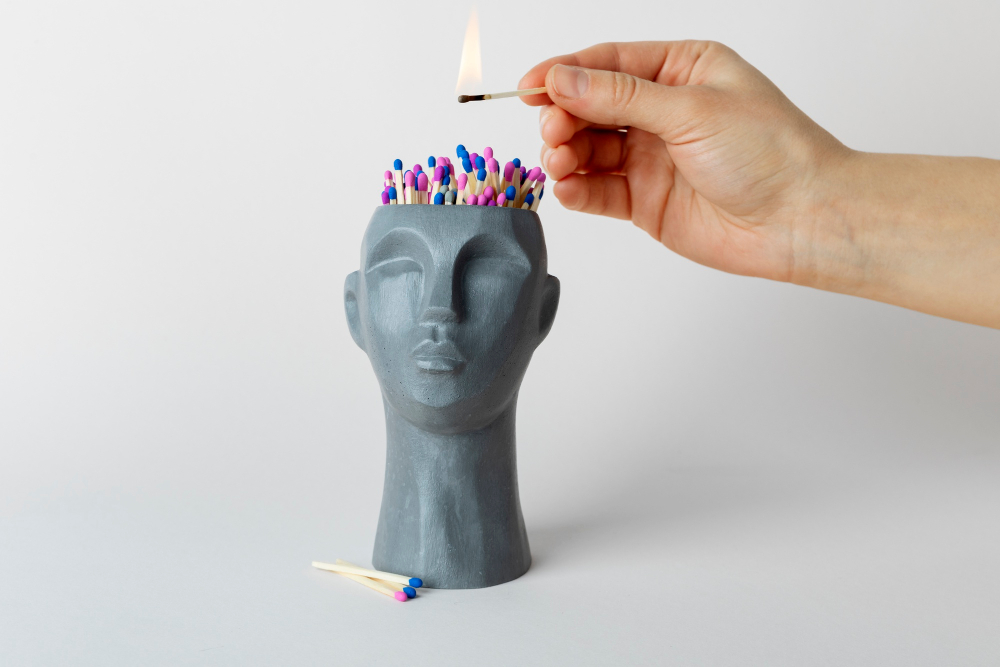
We look sideways at others before making decisions. If “everyone else” seems to know your brand, your recall strengthens.
Amazon’s “Bestseller” and “Most Popular” badges are subtle recall reinforcers.
Spotify Wrapped doesn’t just celebrate music — it reminds millions that Spotify is the cultural default.
👉 Behavioral takeaway: Build recall by making your brand feel socially inevitable.
Common Mistakes That Kill Recall
- Inconsistent Branding — Changing fonts, colors, or slogans breaks the memory chain.
- Feature Overload — Talking specs instead of benefits makes campaigns forgettable.
- Short-Term Thinking — Constantly chasing clicks instead of building associations weakens long-term recall.
- Ignoring Emotion — Rational arguments don’t lodge in memory. Feelings do.
The Behavioral Ladder: From Awareness to Recall
Think of recall as a ladder:
- Awareness — The customer notices you.
- Consideration — The customer evaluates you.
- Preference — The customer starts leaning toward you.
- Recall — You become the brain’s automatic choice.
Behavioral marketing is the rope that pulls the customer up this ladder — from simply seeing your ad to reflexively remembering you at checkout.
Final Thought
Top-of-mind recall isn’t luck. It’s design.
It comes from understanding how the brain processes repetition, emotion, simplicity, anchors, and social proof. It comes from campaigns built not on noise but on neuroscience.
When your brand is recalled first, it doesn’t matter how crowded the shelf or how noisy the marketplace is. You’ve already won the sale in the customer’s mind — before they even touch their wallet.
That’s the quiet power of behavioral marketing: turning brands into memories, and memories into reflexive choices.
About the Author: Jawahar Kaushal


